
Resources To Help You Get Started
Wherever you are — whatever brought you here — there is something on this page that can help you today. Some of it is free. Some of it costs less than an hour with a counsellor. All of it comes from the same place: Fifteen years, more than 1,200 couples, and our own marriage rebuilt after betrayal.
Betrayal/Broken Trust
For those couples facing infidelity, secrecy, shame, hurt, or broken trust and want to stay in the marriage, even if one partner doesn't want to get help.
If you are trying to understand what happened, rebuild trust, work through fear and insecurity in order to restore your marriage, this Masterclass will help you take your first steps.
Marriage Crisis/Disconnection
For those who feel stuck, distant, uncertain, or close to giving up — even if one partner is disengaged or unsure about getting help.
If you feel more like housemates than partners, keep repeating the same arguments, avoid conflict, or long to rebuild emotional closeness, this Masterclass will help you understand what may be happening beneath the surface and where to begin.
Take A Free Step
Towards a Stronger Marriage?
Our free WhatsApp video series will introduce you to a handful of powerful principles of unconditional love that have helped thousands of indivduals and couples in transforming their relationships.
You'll receive short videos and practical insights directly to your phone - designed to help you see your situaiton differently and discover what may still be possible.
Short, easy-to-watch video lessons
Practical relationship insights
Simple actions you can begin applying today
A clearer understanding of what healthy change looks like
Latest Blog Articles

When Marriage Therapy Becomes Another Wound
Twenty years ago, a couple went to a therapist for help. During their first — and only — session, he told them:
“Some people just don’t belong together. That’s you two.”
They are still together today.
His words didn’t help them understand their problems or change the patterns keeping them disconnected. They simply became one more thing they needed to heal from.
The woman sitting in that room was a therapist herself. After just a few years of education and experience in the field, she had begun questioning much of what she had been taught.
“There are many therapists who have it so wrong. So much of what I paid a kabillion dollars in school to ‘learn’ went out the window shortly into the field. It is wrong. It is narrow-minded. And a lot of it is flat-out dangerous to relationships, and I’m not even referencing infidelity specifically.”
Those are strong words, but they need to be heard.
Couples often seek help when they are at their most vulnerable. They are frightened, hurt and unsure whether their marriage can survive. When someone in a position of authority declares that they don’t belong together, that opinion can begin to feel like a fact.
But a struggling marriage does not mean two people are wrong for each other. It means they have become trapped in damaging patterns that neither of them can see because they are blind to their own inner emptiness.
When Dysfunction Looks Like Incompatibility
One partner criticises because they feel ignored. The other withdraws because they feel constantly judged. The more one pushes, the further the other retreats. Eventually, both experience the other person as the source of their pain.
They may appear incompatible, but there is a deeper problem.
Both are waiting for the other person to change first. One will be kind when the other listens. The other will listen when the criticism stops. One will offer affection when they feel appreciated. The other will show appreciation when affection returns.
Their love is conditional.
Each person believes their behaviour is justified by what their partner has done. Criticism, anger, silence and withheld affection become consequences intended to produce change. Gradually, resentment and control replace openness and connection.
Calling the couple incompatible does not expose this issue. Telling them they don’t belong together does not teach them how to change it. It simply gives a name to the hopelessness they already feel.
The “Normal Dysfunction” Couples Cannot See
Many destructive relationship patterns are considered normal. Couples punish each other with silence, withdraw affection when disappointed, keep score and repeatedly remind each other of past failures.
They may not recognise this as control. They believe they are naturally reacting to their partner’s behaviour.
Our therapist client recognised this inour marriage book:
“This book is absolutely amazing. It takes the reader through real-life scenarios and interactions, highlighting ‘normal dysfunction’ within a relationship and leads us to what healthy changes and a new normal would look like.”
She continued:
“The authors use their coaching skills throughout the book to make visible all the many conditions we put on our partners and the consequences we inflict when we become disappointed.”
Couples cannot change patterns they cannot see. They may spend years learning why they react as they do without changing how they behave. They become better at explaining their actions but not at taking responsibility for them.
Insight alone does not restore a marriage. At some point, understanding must produce change.
Betrayal Requires Responsibility and a Pathway
This is especially important when infidelity is involved.
The betrayed spouse did not cause the affair. Problems may have existed in the marriage, but only one person chose betrayal as a response to them.
The betrayed partner needs truth and accountability. The straying partner must stop minimising, defending and trying to control their spouse’s reaction. Rebuilding trust requires consistent honesty and changed behaviour, not apologies intended to end uncomfortable conversations.
However, identifying who was responsible for the betrayal is not the same as providing a pathway towards healing. If the couple wants to rebuild, both people need help understanding the different realities they are experiencing.
This is why we wrote ourbetrayal recovery bookin two voices: Nikki’s perspective as the betrayed spouse and Pete’s as the straying spouse.
Our therapist client wrote:
“It is raw and real. It is honest. The authors offer clarity to those at the peak of a crisis while simultaneously providing a pathway to authentic and attainable healing.”
She concluded:
“It is different. It is hope. It is genuine.”
This is not hope that minimises what happened. It is hope grounded in truth, responsibility and the possibility of genuine change.
Couples Need a Pathway, Not a Verdict
A therapist sees only a small part of a marriage. They were not present for the thousands of moments that created the couple’s shared life. They did not experience the affection, sacrifices, disappointments, responsibilities and years of history.
They are often seeing two people at their worst: frightened, angry, defensive and overwhelmed. A crisis may expose serious problems, but it does not reveal the full potential of the relationship.
Couples need help identifying the conditions they have placed on love and the consequences they use when empty and disappointed. They need to understand the difference between standards used to elevate the marriage and boundaries used to control, between accountability and punishment, insight and actual change.
They need help seeing why they can no longer reach each other.
They do not need someone to decide after one session whether they belong together.
This matters particularly after twenty, thirty or forty years of marriage. There may be children, grandchildren, a shared home, family traditions and plans for later life. A crisis can cause people to question the meaning of everything they have built.
Shared history does not decide what should happen next, but it deserves more respect than a premature verdict.
Before walking away from decades together, couples deserve the opportunity to discover whether their marriage is incapable of changing — or whether they have simply never been shown how to change it.
A Lighthouse in the Crisis
Our therapist client told us:
“I wish there was magic to make this ideology stand out like a lighthouse beacon. But I still have no doubt, it is coming. You teach what people need.”
A lighthouse does not decide the destination. It illuminates what cannot be seen in the darkness.
That is what couples in crisis need. They need someone to expose the patterns beneath their pain rather than simply label them incompatible. They need honesty that does not destroy hope and accountability that leads to genuine change.
Twenty years ago, one therapist looked at a struggling couple and decided they did not belong together.
He was wrong.
His conclusion did not become their future, but it did become another wound they had to heal.
Couples deserve better than a verdict. They deserve the opportunity to see their patterns, change how they love and discover what may still be possible.
If you are facing betrayal, disconnection or crisis after decades together, don’t let someone else write the ending of your marriage before you have discovered what is possible.
👉Before you give up on the life you’ve built together over decades, discover what may still be possible.Book a call with us to talk honestly about where your marriage is, what’s keeping you stuck, and whether our Restoring Love Pathway can help you move forward.

Recommended Reading
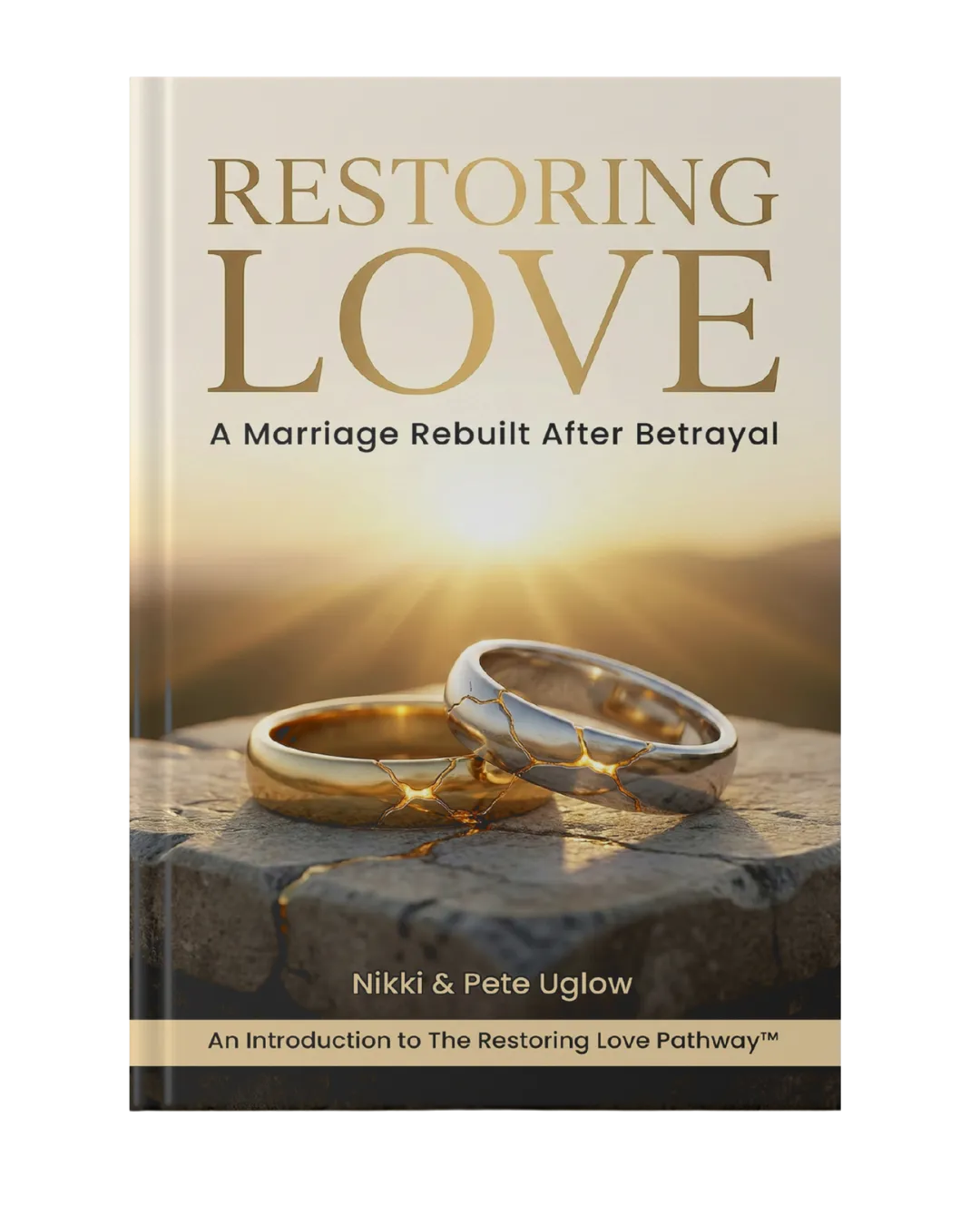
RESTORING LOVE
A Marriage Rebuilt After
Betrayal
A raw memoir of betrayal, truth, and the Restoring Love Pathway™ that saved our marriage—and has helped over 1,200 couples rebuild love on purpose.
RESTORING LOVE
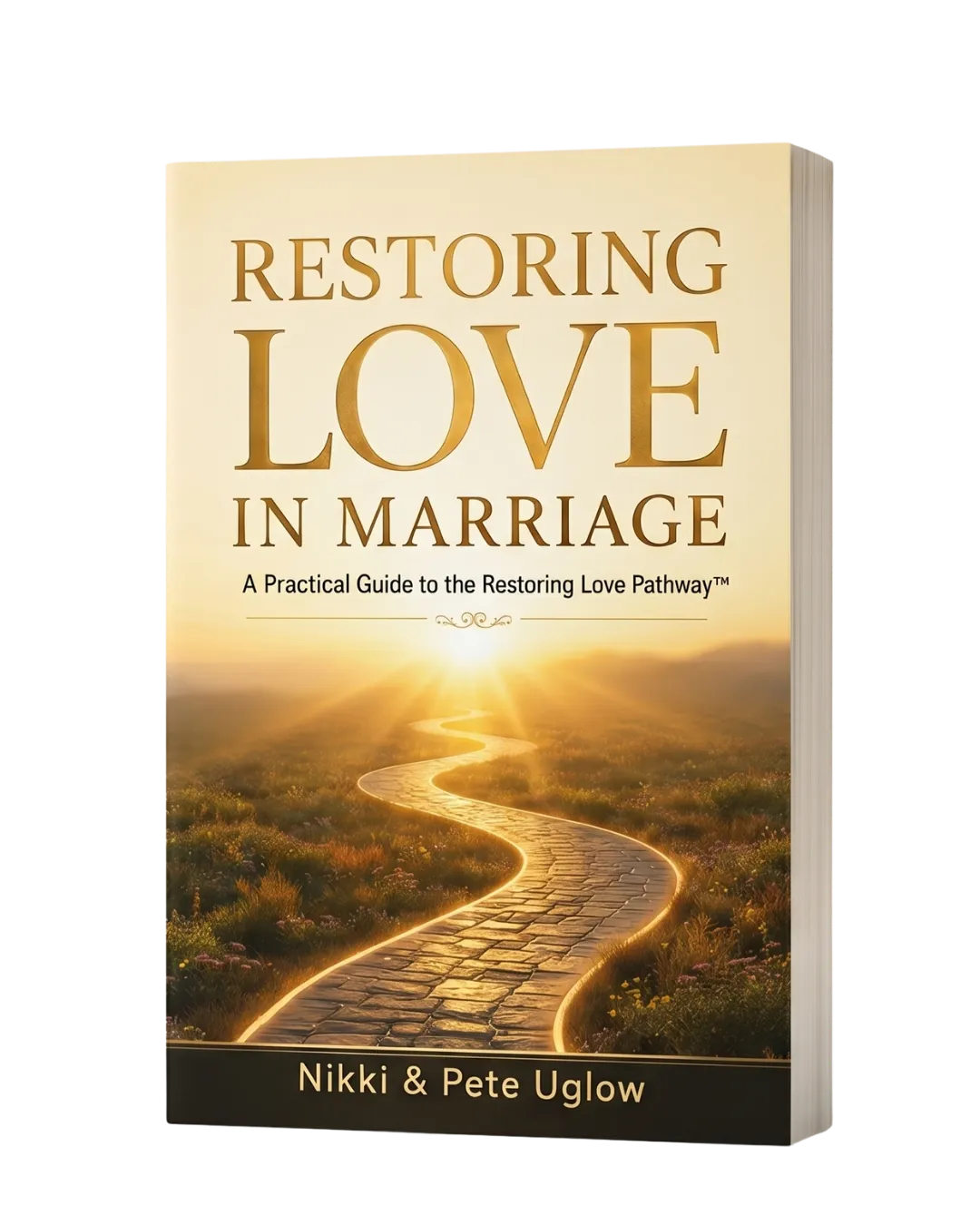
A Practical Guide to the Restoring Love Pathway™
A practical, hopeful guide to rebuilding marriage through the Restoring Love Pathway™—where truth, unconditional love, responsibility, and repair create something steadier and more life-giving.
RESTORING LOVE
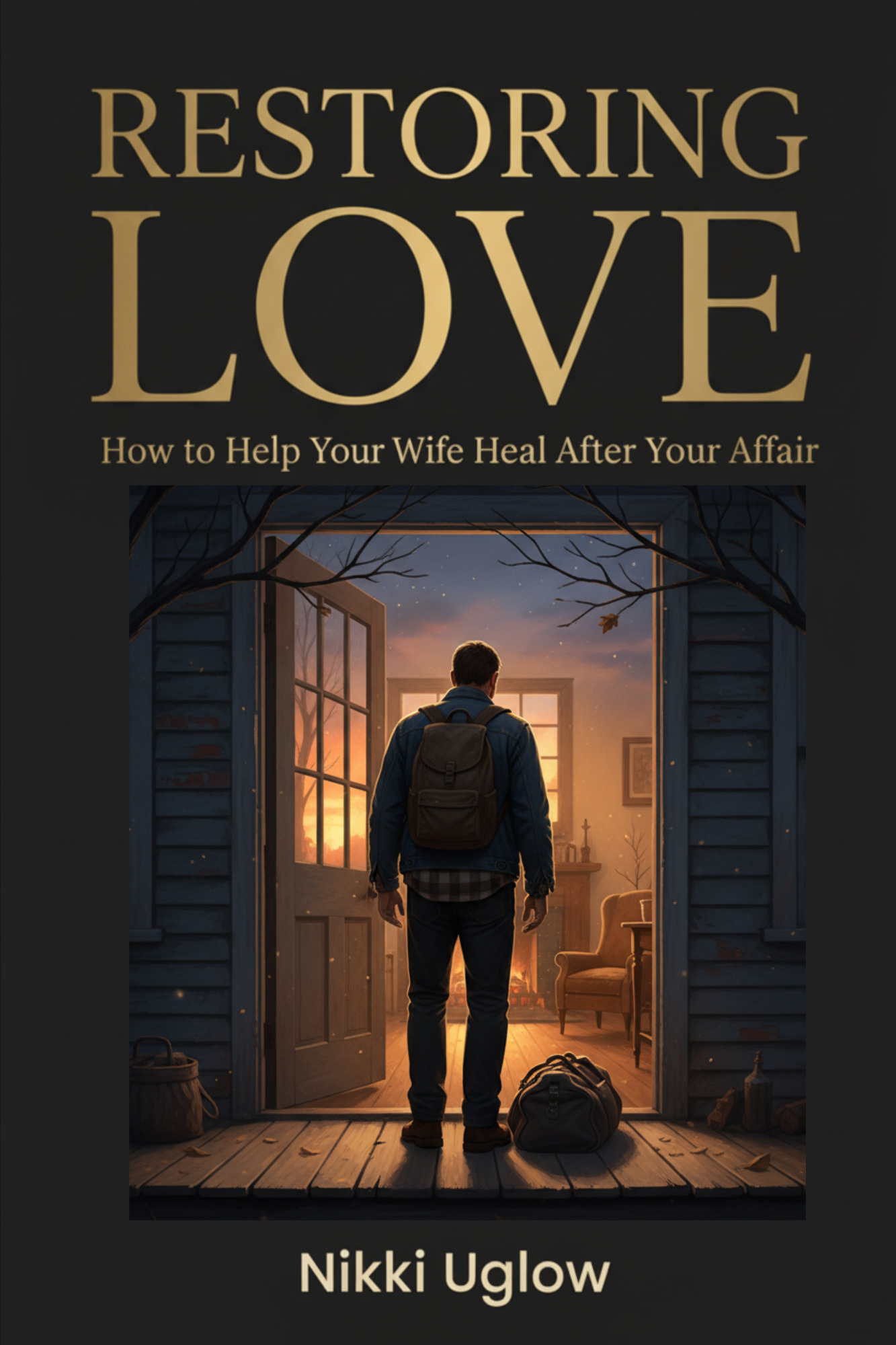
How To Help Your Wife Heal After Your Affair
A practical, compassionate guide for husbands who cheated—showing how honesty, accountability, humility, and steady love can help your wife heal and rebuild trust.
Recently discovered infidelity?